
Index Fund Investments: Understanding the Basics and Benefits
folder_openMoney
commentNo Comments
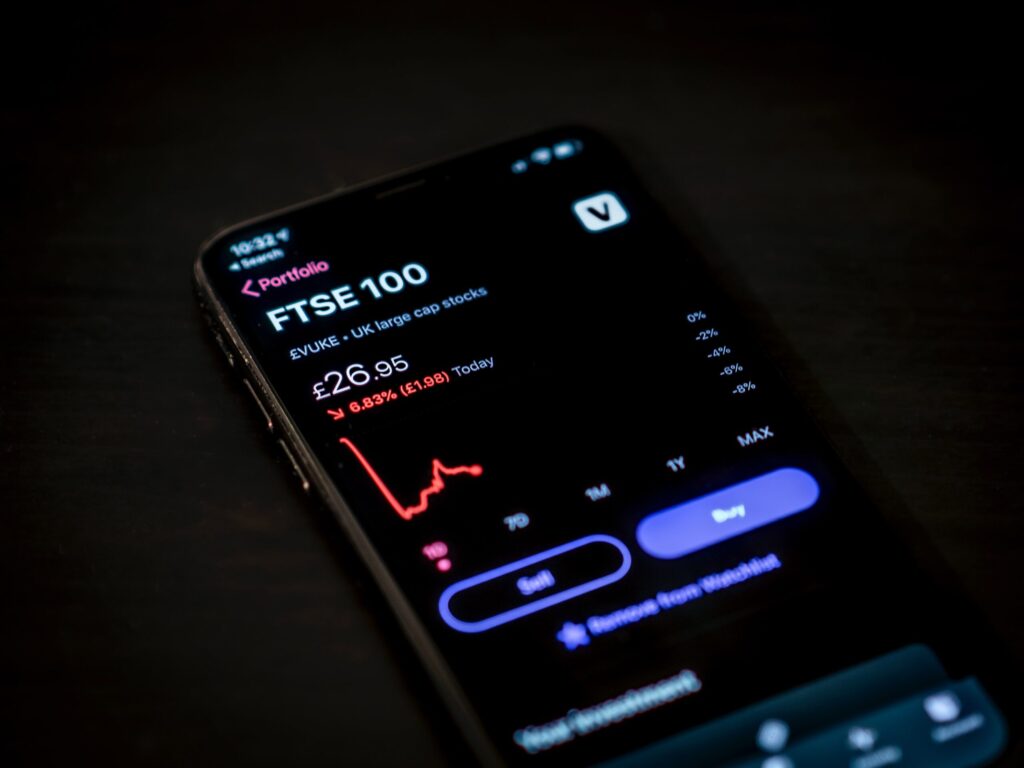
An index fund is a collection or portfolio of bonds and stocks that follow the performance of a financial market index. A stock index measures the stock market or a section of the stock market. One of the main advantages of investing in index funds is that it is a hands-off, low-risk type of investment. It also has the potential of offering solid returns on your investment. The index fund allows you to buy the stock of every firm listed on the index. Because of this, there are fewer swings in the market and low volatility. This is unlike buying individual stocks.
Understanding indexes
An index measures the performances of bonds, stocks, and other tradable assets in the market. To track a specific index, you will need an index fund.
Some examples of indexes include:
- Vanguard FTSE UK All Share Index Unit Trust: This fund aims to track the performance of the FTSE All-Share Index, which represents the performance of the broader UK stock market. It’s managed by Vanguard, known for its low-cost index funds.
- Legal & General UK Index Trust: This fund seeks to replicate the performance of the FTSE All-Share Index and is managed by Legal & General Investment Management (LGIM). It’s one of the largest and oldest UK index funds available to investors.
- HSBC FTSE 100 Index Fund: This fund tracks the performance of the FTSE 100 Index, which consists of the 100 largest companies listed on the London Stock Exchange by market capitalisation. It’s suitable for investors looking for exposure to the largest UK-listed companies.
- iShares Core FTSE 100 UCITS ETF: This exchange-traded fund (ETF) aims to replicate the performance of the FTSE 100 Index. It’s offered by BlackRock’s iShares and provides investors with a low-cost way to invest in the UK’s largest companies.
- Fidelity Index UK Fund: This fund aims to replicate the performance of the FTSE All-Share Index. It’s managed by Fidelity International, one of the world’s largest investment management companies.
A few things to note about index funds
Here are some of the most important things to remember about index funds:
1. Index funds are available in various asset classes
As an investor, you can focus on companies in different industries as well as different capital values.
By choosing a market sector or industry, your portfolio is more diversified compared to purchasing individual stocks.
2. You can buy the whole market indirectly
The index fund allows you to buy the stock of companies that make up the whole market or a section of the market.
For instance, if an index is tracking the S&P 500 –which comprises of the top 500 biggest US companies, the fund will buy shares from all the 500 companies that are listed on the index.
The investor will then purchase the shares on the fund. The value of this investment will mirror the gains and losses experienced by the S&P 500 index.
3. You can’t beat the market
There is a higher chance that you won’t beat the market by choosing individual stocks. Even professional account managers know this as they often will not outperform the benchmark index.
With index funds, however, the investor can meet the market gains.
Why invest in index funds
One of the main benefits of investing in index funds is the returns. While individual stocks have a higher level of volatility in that they may rise and fall, typically index funds tend to keep rising over the years.
Then there is the issue with administration fees that accompany managed accounts. Since index funds are a hands-free type of investment, you won’t experience costs that eat away at your returns. After all, you don’t have to pay someone to analyse for you and tell you what to buy. Your investment portfolio is more diversified with index funds. Your risk is spread around which gives the investor more security over their investments.
This is done by investing in the shares of different companies. It is easy to invest in index funds. Often investment strategies can be complex and discourage first-time investors from committing their funds. However, with index funds, all you need to do is buy and hold. They simply track the performance of an index.
Since index funds don’t trade in and out of securities as is often the case with actively managed funds, there is less taxable income. A cost that is often passed down to the shareholders.
The downside of investing in index funds
Index funds, despite them being a low-risk investment also come with some risk. Granted, you stand to gain handsomely with a portfolio that rises with the index.
However in case, the market drops, so will the index fund. With managed accounts, a competent manager may be able to outperform the market.
However, note also that finding one can prove a lot difficult. You will likely not be able to outperform the market by managing the account yourself.
Index funds thanks to their diversification will even out the risks and reduce volatility. On the other hand, this also reduces the potential of making huge gains.
Some underperforming stocks may pull down the best-performing ones.
FAQs
How much money do I need to invest in index funds?
To invest in index funds, you can get started with just a few dollars. This means that pretty much anyone can invest in index funds.
That said, even while index funds are considered a low-risk type of investment, you should never invest with money that you cannot afford to lose.
How many index funds should I choose?
Since index funds are a diversified investment, you may only need to own one or two. This is especially if you are buying indexes such as the S&P 500 that track hundreds of companies.
If however, you choose indexes that track a sector of the market, you can buy even more to keep your investment portfolio well-diversified.
Investment Calculator
Check out some of our resources to help you with your finances





Disclaimer: The information provided on this blog is for educational purposes only and should not be considered as financial advice. Investing involves risks, and past performance is not indicative of future results. Readers should conduct their own research and consult with a qualified financial advisor before making any investment decisions.




SHOP
-
 ELEVATE Zip Hoodie
Price range: £40.00 through £50.00
ELEVATE Zip Hoodie
Price range: £40.00 through £50.00
-
 ELEVATE Black Mug
£10.00
ELEVATE Black Mug
£10.00
-
 ELEVATE Bag - Black
£30.00
ELEVATE Bag - Black
£30.00