AI in the Workplace: Are You Ready for the Revolution?
folder_openProductivity
commentNo Comments
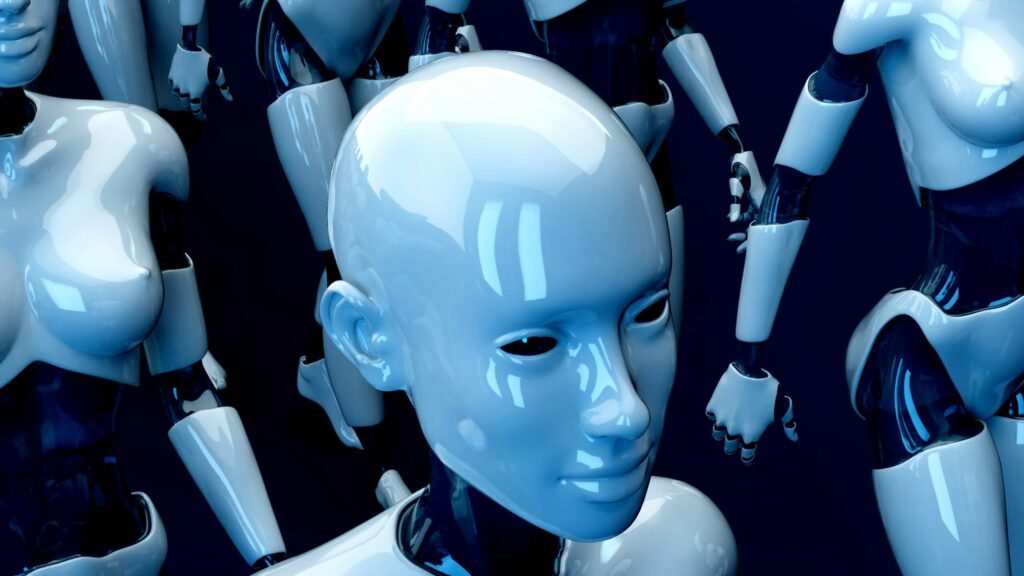
AI is everywhere now. It’s changing how we live and work. But will AI make our jobs easier, or will it take them away? Companies want to use AI, but are we ready? There’s a big difference between what leaders want and what workers are actually doing. Here, we are looking at AI’s impact on your career.
The Generative AI Explosion
AI has been around for a while, but it’s now getting better. Generative AI is an offshoot of regular AI. It can create text, images, and other stuff. ChatGPT’s launch in 2022 changed everything. Now, anyone can talk to an AI system. This has made businesses very interested in AI.
What is Generative AI?
Generative AI is cool because it translates information. It works with text, images, sound, video, and even computer code. Now, you can find it being used with DNA. It recognizes patterns and turns them into something new. The possibilities seem endless.
The ChatGPT Turning Point
ChatGPT made AI accessible to everyone. Before, AI seemed complicated. ChatGPT let you communicate directly with AI. This made people realize how powerful it could be, and so its popularity quickly grew.
The Executive Urgency vs. Employee Hesitation
Leaders are pushing for AI in the workplace, but many employees aren’t using it. Executives see the potential of AI. Workers might not understand it yet. This divide needs to be addressed for AI to work.
Leaders See Productivity Gains
Executives are excited about AI’s productivity. They believe AI can make workers more efficient. They’re also worried about data security and privacy. It’s a concern whether AI can be trusted for accurate information.
Employee Adoption Lags Behind
Many people at their desks aren’t using AI yet. Despite executive enthusiasm, many workers lag. There’s a disconnect between urgency and adoption. It seems that some folks have yet to get on board.
- Statistic: Two-thirds of desk workers are not using AI.
Understanding Employee Attitudes and Emotions
Slack Workforce Lab studied worker’s feelings about AI. They found five different “AI personas.” Understanding these personas can help bridge the gap. These are attitudes that can shape how people use AI.
The Maximalist and the Underground
The Maximalist loves AI and uses it a lot. The Underground also uses AI but hides it. They feel guilty, as if they’re cheating. It is interesting that some feel the need to be secretive.
The Rebel, the Super Fan, and the Observer
The Rebel feels threatened by AI. The Super Fan likes AI but doesn’t know how to use it. The Observer is waiting to see what happens. Each persona brings a unique perspective to the workplace.
Building Trust in the Age of AI
Trust is important for AI use. People need to trust AI before they use it. Transparency and good management can help. If they don’t trust AI, it will be hard to move forward.
The Trust Deficit
Few workers fully trust AI. This lack of trust makes adoption difficult. Building trust is crucial for AI to succeed. If you’re concerned about accuracy, you aren’t alone.
- Statistic: Only 7% of workers worldwide fully trust AI.
The Manager’s Influence
Managers play a big part in whether people use AI. Workers who trust their managers are more likely to try AI. Feeling supported makes a big difference. Managers can encourage responsible use.
- Statistic: People who feel trusted by their manager are twice as likely to try AI.
Challenges and Considerations for AI Implementation
AI has downsides. It can be tricky and unreliable. Companies should be careful about using it to cut costs. Consider the challenges before implementing AI in a big way.
Complexity and Unreliability
AI is complex and can be unreliable. Things might go wrong, and you must be prepared. Companies need to experiment carefully and learn as they go.
The Cost-Cutting Temptation
Companies might want to use AI to reduce headcount, but this can be risky. The market is always changing. Think carefully before making big changes to staffing. Don’t sacrifice your staff for short-term gains.
The Future of Work with AI
AI changes the skills we need. We need to learn new things and adapt. Clear rules and ethics are also necessary. The future of work will require careful planning.
Upskilling and Adaptability
Workers must learn new skills. AI is changing quickly, so keep up. Upskilling teams will prepare them for what comes next. Get comfortable with ongoing education.
Governance and Transparency
We need clear rules for AI. How do we manage it? How do we hold it responsible? Transparency is key to building trust and success.
AI will change the workplace. There are challenges, but there is also potential. Building trust and addressing ethical concerns are vital. We need a balanced approach. AI is going to transform the world of work, and we must be open-minded and cautious in our approach.
Listen to the Podcast
Ready to Take the Next Step?
Dive deeper into AI with our ebooks and in-depth courses. Whether you’re just starting or looking to sharpen your skills, we’ve created the perfect resources to help you succeed.





SHOP
-
 ELEVATE White Beanie
£20.00
ELEVATE White Beanie
£20.00
-
 ELEVATE Black Backpack
£40.00
ELEVATE Black Backpack
£40.00
-
 ELEVATE White Drawstring Bag
£35.00
ELEVATE White Drawstring Bag
£35.00