
What Should Investors Do Next When the Stock Market Slumps?
folder_openMoney, Productivity
commentNo Comments
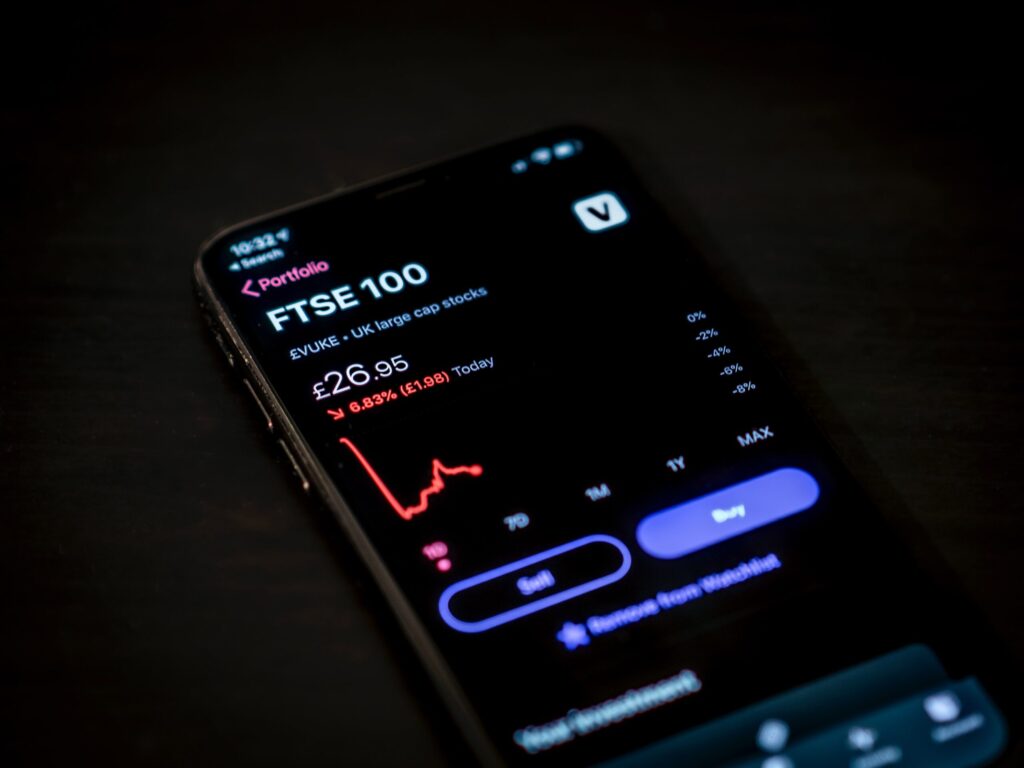
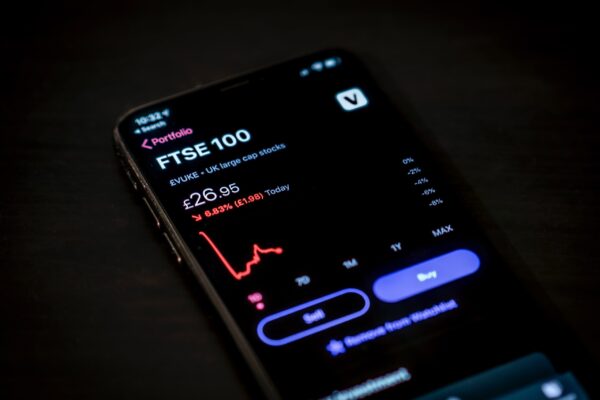
Ever peeked at your investment portfolio lately and saw a sea of red? It’s a feeling many investors know too well. Recent market drops, like those affecting the FTSE 100 and other global indices, can be unsettling. The aim here is to guide you on how to navigate these choppy waters.
The Market Slump
The stock market isn’t always smooth sailing. Currently, we’re seeing some turbulence. Several factors can cause this. Inflation, rising interest rates, and world events are some things that can cause problems. Keeping an eye on key indicators can help you figure out what’s going on.
Why is the market acting up? High inflation is a big worry. Central banks are hiking interest rates to combat it. Geopolitical tensions, like conflicts or trade disputes, add to the uncertainty. Supply chain issues, lingering from recent events, also play a role. All of these issues cause worry about a possible recession. For example, the UK inflation rate rose to over 10% recently, pushing the Bank of England to raise interest rates multiple times.
Key Indicators to Watch During Market Volatility
Keep an eye on certain signals to get a sense of the market’s direction. The VIX, known as the “fear gauge”, shows how much volatility is expected. Bond yields can tell you about investor confidence. Unemployment rates show the health of the economy. Consumer confidence indices reflect how people feel about spending. Watching these indicators can offer clues about what might happen next.
Assessing Your Portfolio and Risk Tolerance
Now’s a good time to take stock of your investments. Understanding your risk tolerance is key. This helps ensure your portfolio aligns with your comfort level.
Reviewing Your Current Investment Allocation
Take a close look at what you own. What percentage is in stocks? How much is in bonds, property, or other assets? Is your portfolio well-diversified, or is it too focused on one area? Getting a clear picture of your asset allocation is the first step toward making smart choices.
How much risk are you comfortable taking? Are you investing for the long haul, like retirement, or do you need the money sooner? Your answers to these questions will shape your investment strategy. If you have a long time horizon, you might be able to handle more risk, since you have time to recover from any losses. If you are close to retirement, protecting what you have might be more important.
Strategies for Navigating Market Downturns
There are several things you can do to manage your investments during a market downturn. These strategies can help protect your wealth and maybe even find opportunities.
Dollar-Cost Averaging
This approach involves investing a fixed amount of money at regular intervals, regardless of what the market is doing. So, every month, you invest £200 in a particular stock. When prices are low, you buy more shares. When prices are high, you buy fewer. Dollar-cost averaging can help smooth out your returns over time.
Rebalancing Your Portfolio
Over time, your original asset allocation can drift away from your target. Stocks might outperform bonds, or vice versa. Rebalancing means selling some of your winning assets and buying more of your losing ones to restore your desired balance. This helps you manage risk and stay on track with your long-term goals.
Considering Defensive Stocks and Bonds
Some sectors tend to hold up better than others during economic downturns. These are often called defensive stocks. Think of companies that provide essential goods and services, like utilities or consumer staples. Government bonds are often seen as a safe haven during times of uncertainty. Investing in these areas can help cushion your portfolio against market volatility.
Long-Term Perspective and Avoiding Panic
The key to successful investing is to keep your eyes on the long game. Avoid making rash decisions based on short-term market swings.
It can be tempting to sell everything when the market is falling, but this can be a costly mistake. Missing out on even a few of the market’s best days can significantly reduce your long-term returns. Staying invested allows you to participate in the eventual recovery.
Avoiding Emotional Decision-Making
Fear and greed can be powerful emotions that cloud your judgement. When the market is down, it’s easy to panic and sell. When the market is booming, it’s easy to get greedy and chase after the latest hot stock. Try to make investment decisions based on logic and analysis, not emotions. Have a plan, stick to it, and don’t let the ups and downs of the market throw you off course.
When stock markets slump, remember these strategies: understand the market, assess your risk tolerance, consider dollar-cost averaging and rebalancing, and focus on the long term. Don’t let emotion drive your choices. Stay calm, stay informed, and stick to your plan. Keep in mind your financial goals. You can manage even the most challenging market conditions and work toward a secure financial future.
Investment Calculator


Disclaimer: The information provided on this blog is for educational purposes only and should not be considered as financial advice. Investing involves risks, and past performance is not indicative of future results. Readers should conduct their own research and consult with a qualified financial advisor before making any investment decisions.



SHOP
-
 ELEVATE Bag - White
£30.00
ELEVATE Bag - White
£30.00
-
 ELEVATE Black Drawstring Bag
£35.00
ELEVATE Black Drawstring Bag
£35.00
-
 ELEVATE Zip Hoodie
Price range: £40.00 through £50.00
ELEVATE Zip Hoodie
Price range: £40.00 through £50.00