AI as Your Creative Partner: How to Work With, Not Against, Technology
folder_openProductivity
commentNo Comments
Imagine composing a symphony, but instead of struggling with every note, an assistant helps you shape the melody. Or envision painting a masterpiece, where a tool suggests colours you never considered. Today, AI is transforming creative fields. But, many worry AI will steal their jobs. This is a misconception. AI is a partner, not a replacement. It augments human creativity. It unlocks new possibilities. It enhances the creative process.
AI’s Role in the Creative Process
AI isn’t just about robots. It’s about smart tools that help us create. In the creative world, AI assists with tasks. These tasks range from image generation to music composition.
What is AI-Assisted Creativity?
AI, or artificial intelligence, involves machines learning from data. This learning lets them perform tasks. Think of machine learning as AI’s engine. It enables programs to improve without explicit programming. In creativity, this means AI can analyse art. It understands patterns. After that, it generates new content. This is based on what it has learned.
Types of AI Tools for Creatives
AI tools come in many forms. Image generators, like DALL-E, create visuals from text descriptions. Text generation tools, such as GPT-4, assist with writing. They help with blog posts and even screenplays. Music composition AI, like Amper Music, crafts musical pieces. Finally, video editing tools use AI to streamline processes. One example is RunwayML. It offers effects.
Unleashing Your Creative Potential with AI
AI can boost creative output. Also, it enhances efficiency. It can assist in numerous different ways. AI helps overcome creative hurdles. It also explores new artistic avenues.
Overcoming Creative Blocks
Ever felt stuck? AI can help jumpstart ideas. These tools suggest new styles. They explore different themes. Think of it as a brainstorming partner. For instance, an AI could suggest a new colour palette. Or it may create a unique character idea. Sometimes, we just need a little prompt.
Enhancing Productivity and Efficiency
Creative work involves repetitive tasks. AI automates these. Think about tedious video editing or image resizing. AI handles these quickly. This frees up time for high-level creative thinking. AI can analyse data fast. It generates drafts efficiently. Now, creatives spend more time on the core artistic vision.
Exploring New Creative Avenues
AI allows experiments with fresh techniques. It pushes creative boundaries. Maybe you want to blend styles. Or perhaps create surreal art. AI makes it easier. It opens doors to the unexpected. AI helps in exploring uncharted artistic territory. This helps you discover your next big thing.
Collaborative Creativity: Human + AI
AI isn’t a solo act. Human oversight is key. The best results come from collaboration. It needs human guidance in the AI-assisted creative process.
The Human Element: Guiding AI’s Output
AI needs direction. Humans provide context. We set parameters. We refine outputs. AI generates content, but human taste matters. Human judgement makes art meaningful. AI is a tool. We are the artists. We make sure the AI outputs align with our vision.
Case Studies: Successful AI-Human Collaborations
Many creatives integrate AI effectively. Musicians use AI to compose backing tracks. Designers use AI to generate layout options. One example is Refik Anadol. He uses AI to create mesmerising data sculptures. These cases highlight success. It’s about combining AI’s power with human creativity.
Ethical Considerations and Best Practices
Using AI raises ethical questions. These questions involve copyright, bias, and ownership. We must address these issues carefully. It’s crucial for creatives using AI.
Navigating Copyright and Ownership
Who owns AI-generated art? It’s complicated. Current laws are unclear. Best practice involves transparency. Disclose AI use. Document the creation process. Consult legal experts if needed. Protect your intellectual property.
Addressing Bias and Promoting Inclusivity
AI models can perpetuate bias. They learn from data. If the data is biased, so is the AI. Mitigate bias by using diverse datasets. Review outputs carefully. Ensure fairness. AI tools should create inclusive content.
Transparency and Responsible AI Use
Be open about using AI in creative projects. Transparency builds trust. Responsible AI use is ethical. It’s good for the creative community. Disclose AI use in your work. This promotes honesty and awareness.
The Future of AI and Creativity
AI will continue evolving. New tools emerge constantly. We need to stay informed. By doing this, creatives can adapt to the changing landscape.
Emerging AI Technologies for Creatives
AI continues to advance quickly. New tools are arriving constantly. These will change the creative landscape. Keep an eye on developments in neural rendering. Also, explore AI-driven storytelling. Then there’s AI that personalises the creative experience. The possibilities are ever-expanding.
Preparing for the Evolving Creative Landscape
Creatives should embrace continuous learning. Update your skills. Experiment with new AI tools. Focus on uniquely human skills. These skills involve critical thinking and emotional intelligence. Adaptability is crucial for future success.
AI is not a replacement for creativity. It serves as a powerful partner. It offers new avenues. It enhances creative outputs. Embracing AI unlocks creative potential. Explore AI tools. Experiment with AI-assisted creativity. You’ll be amazed.
WEAR THE MINDSET. ELEVATE YOUR WORLD.
More than just a hat. It’s a reminder to keep pushing, keep growing and never settle for less than your potential.
EXPLORE THE ELEVATE Hat COLLECTION
-
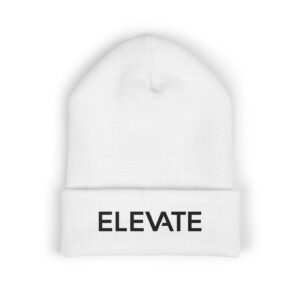 ELEVATE Beanie – White£20.00
-
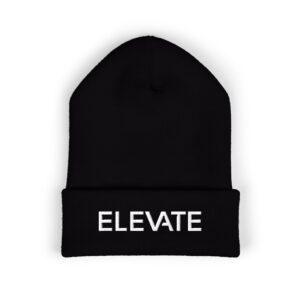 ELEVATE Beanie – Black£20.00
-
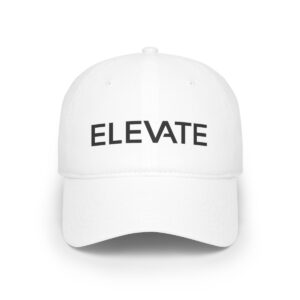 ELEVATE Cap£25.00
-
 ELEVATE E Cap£25.00