
AI Workflow Automation: 5 Reasons Why Workflow Will Be Easier with AI
folder_openTechnology
commentNo Comments
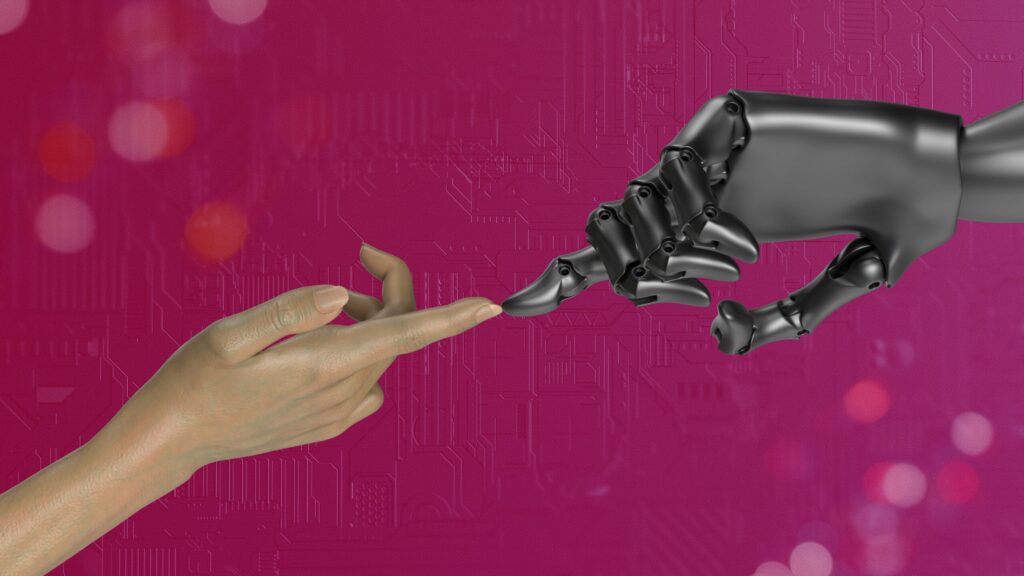
In our rapidly evolving, data-centric world, staying ahead in terms of efficiency and innovation is crucial. AI is no longer just a technological advancement; it’s a vital component in optimising and streamlining work processes. Today, we will explore in depth the five key reasons why integrating AI into your workflow not only makes tasks easier but also opens doors to new levels of efficiency and creativity.
1: Automation of Routine Tasks
AI’s ability to handle tasks like scheduling, data entry, and even preliminary data analysis is just the beginning. Imagine AI-driven software that can intelligently categorise incoming requests or inquiries, automatically routing them to the appropriate department or individual. In customer service, AI chatbots can handle initial customer queries, only escalating more complex issues to human staff. This level of automation significantly reduces the workload, allowing professionals to dedicate their time to more strategic and impactful tasks.
2: Enhanced Data Analysis and Decision-Making
AI’s impact is profound. AI systems can sift through massive datasets to identify trends and anomalies that would be nearly impossible for a human to detect in a reasonable timeframe. In marketing, for instance, AI can analyse consumer data to tailor marketing strategies or predict future purchasing trends. In finance, AI algorithms can detect fraudulent activities by recognising patterns that deviate from the norm. This capability leads to more informed, data-driven decisions that can drastically improve business outcomes.
3: Improved Communication and Collaboration
AI’s role is increasingly vital. Beyond managing emails and scheduling, AI tools can enhance project management by predicting potential delays or conflicts and suggesting optimal workflows. AI can also facilitate brainstorming sessions by providing data-driven suggestions and even predicting the outcomes of certain team decisions, leading to more productive and harmonious team dynamics.
4: Personalised Workflow Optimisation
AI offers a bespoke experience. It understands your most productive hours, your preferred ways of working, and can even adapt to your changing schedules. For example, if you’re a night owl, AI won’t schedule important tasks early in the morning. If you prefer uninterrupted work blocks, AI can arrange your schedule to minimise distractions. This personalisation ensures that each individual can work in a way that best suits their style and preferences, maximising productivity and job satisfaction.
5: Predictive Maintenance and Problem-Solving
In operational settings, AI can forecast equipment malfunctions, allowing for timely maintenance that prevents costly downtime. In creative and planning roles, AI can identify potential bottlenecks in project plans, suggest alternative pathways, and even predict the success of certain project trajectories. This foresight enables businesses to be proactive, reducing risks and improving overall efficiency.
Integrating AI into your workflow offers significant benefits: from automating routine tasks and enhancing data analysis to improving team communication, personalising your workflow, and predictive problem-solving. AI is a powerful ally in streamlining your work process, helping you and your team to work more efficiently and effectively.
As we continue to embrace the advancements in AI, remember that its goal is to complement and enhance our work processes.
Ready to Take the Next Step?
Dive deeper into AI with our ebooks and in-depth courses. Whether you’re just starting or looking to sharpen your skills, we’ve created the perfect resources to help you succeed.


SHOP
-
 ELEVATE Your World Notebook
£12.00
ELEVATE Your World Notebook
£12.00
-
 ELEVATE White Beanie
£20.00
ELEVATE White Beanie
£20.00
-
 ELEVATE Cap
£22.00
ELEVATE Cap
£22.00