
Financial Discipline: 3 Tips for Better Spending Habits
folder_openMoney
commentNo Comments
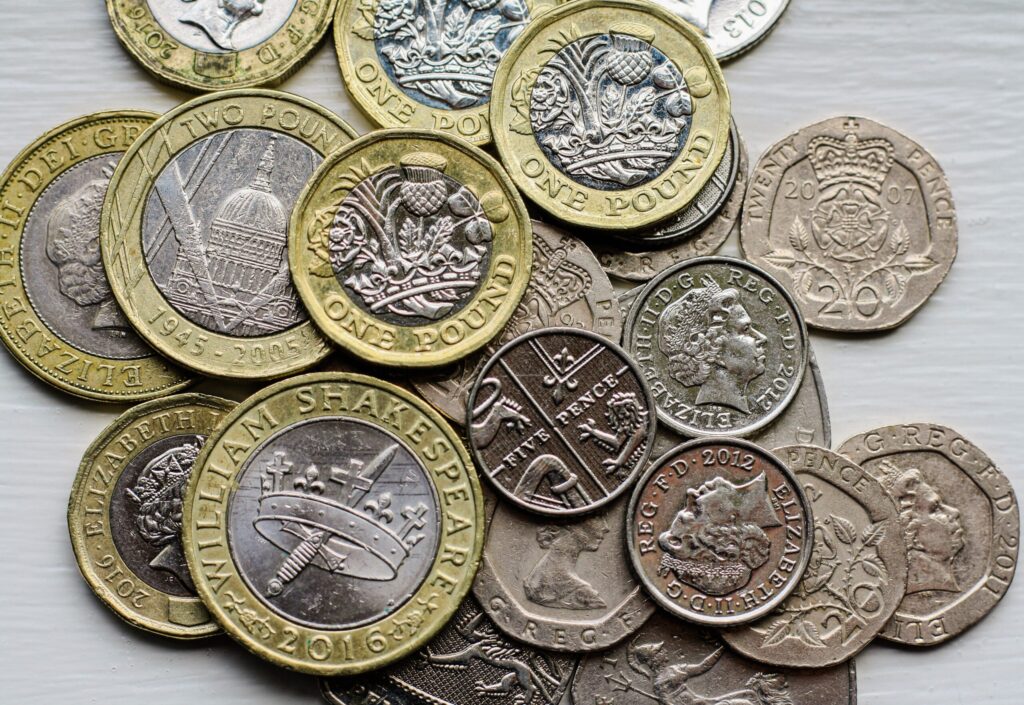
As the saying goes, money isn’t everything, however, the absence of money can bring a lot of trouble. This is the exact reason why developing good financial discipline is essential for your long-term prosperity. Unless you’re a financial guru of some sort, odds are that you may find certain aspects of money management more difficult.
Here, we’re going to pin-point the most important considerations, which can help you develop good financial discipline.
What Is Money, Even?
Before you get to work and manage your money (and eventually make it work for you), you have to understand what money actually is.
Think about it, we all want to have millions, but which people actually have those millions?
People who are worth millions, plain and simple!
That is to say that money is nothing but a unified way to express the market value which an individual gives/receives to and from other people.
Check out our 3 best tips below, that will help you re-think your finances and habits!
Set The Excuses Aside
Many of us have poor financial discipline, because we refuse to accept it is true.
You have to realize that just like anything else, developing financial discipline takes time and consistent effort.
This implies that all excuses must be set aside and actions should be taken, according to the goal.
Ultimately, changing your spending habits and lifestyle may be crucial to achieving balance in your finances and work.
Create A Plan
Now that you’ve started changing your money spending habits, it is time to create a plan of action.
Analyse yourself and track down the non-essential things (like food) that take up most of your money.
If you’ve been spending recklessly on something you can live without, set a limit on it and come up with a reasonable monthly budget to fit everything in, starting from the most vital, to least important things.
Think Twice
In a world where social media knows you and your interests better than you know them yourself, it is quite easy to slip and go on a money-spending spree.
But do we really NEED most of the things we spend a lot of money on? Well, in most cases… Not really.
In order to minimize non-essential purchases, try asking yourself these 3 questions, before checking out:
- Do I really need this and how am I going to use it?
- Is this important for me or am I just slipping?
- Did I need this before I saw it?
If you do this, you will undoubtedly have a greater chance of estimating whether or not this product you want is worth the money.
Developing good financial discipline doesn’t really mean depriving yourself of all the small treats and things you like.
It is more about integrating those things into a healthy, monthly budget that also allows you to set money aside and have everything essential for your well-being.
Granted, if you take all the right steps towards that goal, you will set yourself up well in the long term and will be able to better manage your personal resources, which will in turn allow you to achieve and have certain things.
Personal Budget Calculator
Check out some of our resources to help you with managing your money







SHOP
-
 ELEVATE White Beanie
£20.00
ELEVATE White Beanie
£20.00
-
 ELEVATE Hoodie
£35.00
ELEVATE Hoodie
£35.00
-
 ELEVATE Purple Backpack
£40.00
ELEVATE Purple Backpack
£40.00