
Pay Yourself First: Review of “The Richest Man in Babylon” by George S. Clason
folder_openMoney
commentNo Comments
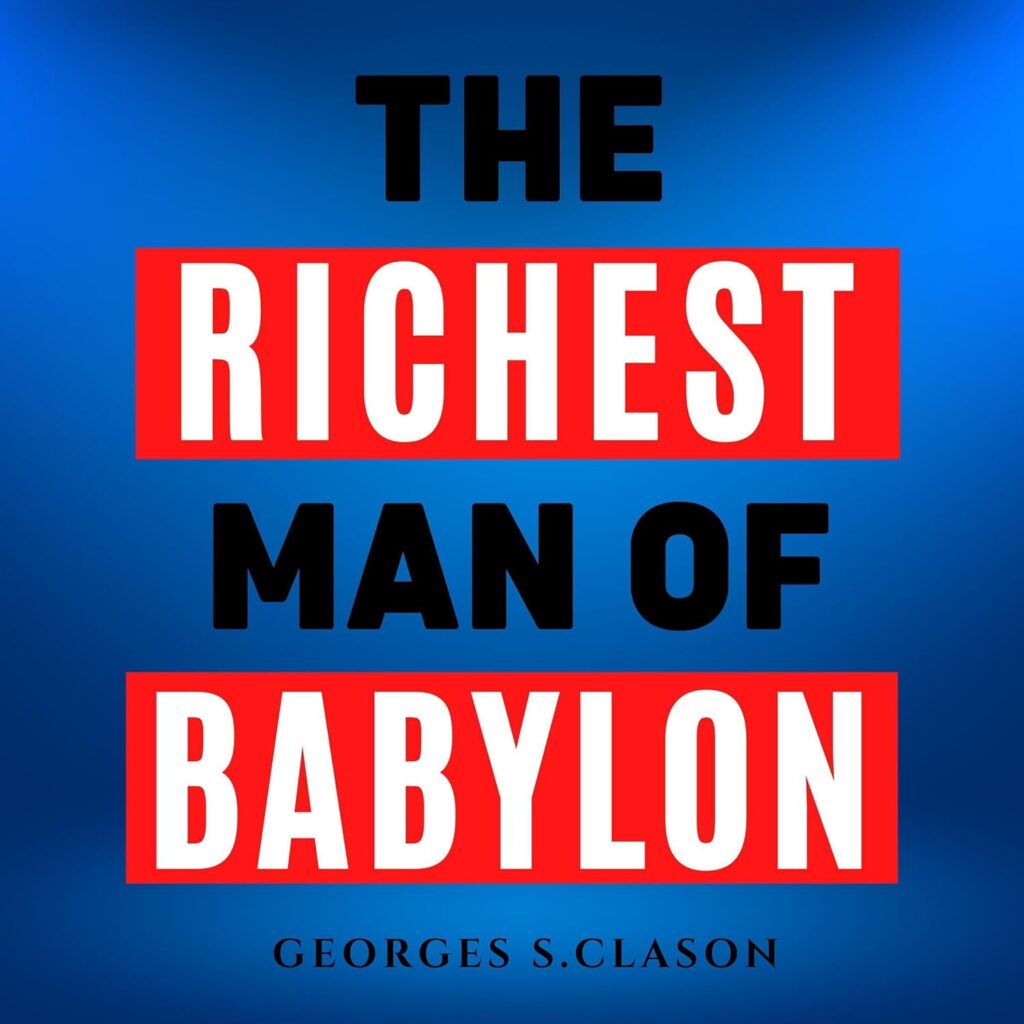

George S. Clason’s timeless classic, The Richest Man in Babylon, is more than just a collection of parables set in ancient Babylon. It is a guide to achieving financial independence and building wealth through simple yet profound lessons. Through vivid stories and practical advice, Clason offers readers actionable strategies for gaining financial freedom. Below is a summary review of the key lessons from this influential book.
Lesson 1: Pay Yourself First
One of the foundational principles in The Richest Man in Babylon is the idea of “paying yourself first.” The book advises readers to set aside at least 10% of their earnings for themselves before addressing any other expenses. This approach is crucial for establishing a habit of saving and investing. By consistently paying yourself first, you create a disciplined financial routine that builds wealth over time. This practice is a cornerstone of financial independence and can accelerate the journey to financial freedom.
Lesson 2: Control Your Spending
Clason emphasises the importance of controlling your expenses and living within your means. The book highlights the common pitfalls of overspending and the impact of high living costs on one’s financial health. To achieve financial freedom, it is essential to differentiate between needs and wants. By managing your budget carefully and avoiding unnecessary debt, you can ensure that your income contributes to wealth accumulation rather than just covering expenses.
Lesson 3: Make Your Money Work for You
Investing wisely is a central theme in the book. Clason advocates for making your money work for you by investing it in opportunities that yield returns. The book suggests seeking out ventures that offer a reasonable rate of return and advising readers to educate themselves about potential investments. Investing is not just about making money; it’s about putting your resources to work to build long-term wealth. Understanding the principles of investment and avoiding speculative risks can set the stage for early retirement and financial security.
Lesson 4: Seek Counsel from the Wise
Another key lesson from the book is the importance of seeking advice from those with experience and wisdom in financial matters. Clason encourages readers to learn from experts and mentors who have demonstrated successful financial strategies. This guidance is invaluable for making informed decisions about investments and financial planning. By consulting knowledgeable sources, you can avoid common pitfalls and make choices that align with your goal of achieving financial independence.
Lesson 5: Increase Your Ability to Earn
The book underscores the value of continually enhancing your skills and increasing your earning potential. Clason advocates for personal development and taking advantage of opportunities that can lead to higher income. Whether through education, additional training, or career advancement, boosting your earning capacity is a crucial step toward financial freedom. A higher income provides more resources to save, invest, and ultimately achieve wealth and early retirement.
Lesson 6: Ensure a Future Income
Planning for future financial stability is a critical lesson in The Richest Man in Babylon. The book advises readers to prepare for retirement by creating a plan that ensures a steady income in later years. This involves making strategic investments and savings plans that provide financial security in retirement. By prioritising future income, you can work towards a comfortable retirement and enjoy the fruits of your labor without the worry of financial instability.
Lesson 7: Protect Your Wealth
Clason also highlights the importance of safeguarding your assets from risks and unforeseen events. Protecting your wealth involves making prudent decisions about insurance, legal protections, and avoiding ventures that seem too good to be true. The book advocates for thorough research and cautious investment choices to shield your finances from potential losses. By taking steps to protect your wealth, you ensure that your hard-earned resources continue to support your journey towards financial independence.
Lesson 8: Act in a Timely Manner
Timing plays a significant role in financial success, according to Clason. The book advises readers to act promptly on opportunities and avoid procrastination. Financial decisions, whether related to investing, saving, or managing debt, should be made with consideration and timely action. By seizing opportunities and making informed decisions promptly, you can enhance your chances of achieving financial freedom and building lasting wealth.
Lesson 9: Learn from Your Mistakes
Finally, Clason emphasises the value of learning from financial mistakes. The book acknowledges that setbacks and errors are part of the journey toward wealth and financial independence. However, it is crucial to analyse these experiences, understand the lessons they offer, and apply this knowledge to future decisions. Embracing a mindset of continuous learning and improvement can help you navigate the complexities of managing money and ultimately lead to greater financial success.
The Richest Man in Babylon offers timeless wisdom and practical advice for anyone aspiring to achieve financial independence and build lasting wealth. By following the lessons of paying yourself first, controlling spending, investing wisely, seeking expert advice, enhancing earning potential, planning for future income, protecting wealth, acting promptly, and learning from mistakes, you can set a solid foundation for financial freedom. Clason’s parables provide not just theoretical knowledge but actionable strategies that can help you overcome the challenges of debt and high living costs, ultimately leading you to a prosperous and fulfilling financial future.
Listen NOW free on audible
Take a look at some of our resources below to help you with your personal finances





SHOP
-
 ELEVATE Purple Mug
£10.00
ELEVATE Purple Mug
£10.00
-
 ELEVATE Your World Mug
£10.00
ELEVATE Your World Mug
£10.00
-
 ELEVATE Black Backpack
£40.00
ELEVATE Black Backpack
£40.00