
The New AI Solopreneur
folder_openTechnology
commentNo Comments

Artificial intelligence (AI) has significantly empowered entrepreneurs to operate as solopreneurs—individuals who start and manage businesses single-handedly—by providing tools that enhance productivity, automate repetitive tasks, and enable scalability without the need for large teams. This shift isn’t entirely new but has gained considerable momentum in recent years, fueled by advances in AI technology and changing workforce dynamics. Here we will explore how AI has enabled this transition, whether it’s a novel trend, and some common AI tools driving it.
How AI Enables Solopreneurs
AI acts as a force multiplier for solopreneurs, allowing them to handle tasks that traditionally required multiple specialists. Here’s how:
- Task Automation: AI tools can automate time-consuming activities like scheduling, customer support, and data entry. For example, a solopreneur can use an AI-powered chatbot to handle customer inquiries 24/7, freeing them to focus on strategy or product development.
- Content Creation: Writing marketing copy, blog posts, or social media content once demanded a team of writers. Now, AI tools can generate high-quality content quickly, enabling a single person to maintain a robust online presence.
- Data Analysis and Insights: AI-driven analytics tools process vast amounts of data to uncover trends, customer preferences, and market opportunities. Solopreneurs can make informed decisions without hiring data analysts.
- Scalability Without Staff: No-code platforms paired with AI allow solopreneurs to build and deploy apps, websites, or services without software developers. This reduces the need for co-founders or employees.
- Cost Efficiency: By replacing human labour with AI solutions, solopreneurs minimise overhead costs, making it financially viable to operate independently.
- Personalisation at Scale: AI can analyse customer data to deliver tailored experiences—something large companies once had an edge in—levelling the playing field for solo ventures.
For instance, a solopreneur running an e-commerce store might use AI to automate inventory management, personlise product recommendations, and optimise marketing campaigns, all without external help. This capability mirrors the efficiency of a small team, condensed into one person’s workflow.
Is This a New Trend?
Solopreneurship itself isn’t new—freelancers and independent consultants have existed for decades. However, AI has turbocharged this model, making it a more prominent and viable trend around 2022. Several factors suggest this is an evolution rather than a brand-new phenomenon:
- Historical Context: The gig economy’s rise in the 2010s, coupled with platforms like Upwork and Fiverr, laid the groundwork for solo entrepreneurship. AI has built on this by enhancing what one person can achieve.
- Recent Acceleration: The release of accessible AI tools like ChatGPT in late 2022 marked a turning point. The surge in solopreneurs leveraging AI to build “million-dollar empires” single-handedly, predicting AI will create over a million solopreneurs.
- Economic Shifts: Post-pandemic changes in work preferences—valuing flexibility and autonomy—align with AI’s ability to support lean operations. Data from the U.S. Census showing 5.4 million new business applications in 2021 reflects this entrepreneurial boom, with AI often cited as a key enabler.
While not entirely new, the scale and sophistication of AI-driven solopreneurship mark it as a distinct trend of the current decade. It’s less about the concept’s novelty and more about its unprecedented feasibility and reach.
7 AI Tools for Solopreneurs
Solopreneurs rely on a variety of AI tools to streamline operations and compete effectively. Here are some widely used ones based on current usage and sentiment:
ChatGPT
- Use: Content creation (blogs, emails, social posts), brainstorming, and basic data analysis.
- Why Popular: Versatile, widely accessible, and capable of mimicking human-like responses.
Midjourney
- Use: Generating visual content like logos, social media graphics, or product mockups.
- Why Popular: Replaces the need for graphic designers, offering high-quality outputs from text prompts.
Zapier
- Use: Automating workflows by connecting apps (e.g., syncing customer data from email to CRM).
- Why Popular: Simplifies repetitive tasks without coding knowledge.
Bubble
- Use: Building web or mobile apps via a no-code platform with AI assistance.
- Why Popular: Enables solopreneurs to launch tech products independently.
Grammarly
- Use: Polishing written content for professionalism.
- Why Popular: Ensures high-quality communication with minimal effort.
Hootsuite/Buffer
- Use: Scheduling and analyzing social media posts with AI-driven insights.
- Why Popular: Maintains a consistent online presence effortlessly.
Canva
- Use: Designing marketing materials with AI-enhanced templates and suggestions.
- Why Popular: User-friendly and cost-effective for non-designers.
Notion AI
- Use: organising tasks, generating project outlines, and enhancing productivity.
- Why Popular: Integrates seamlessly into a solopreneur’s workspace.
Critical Perspective
While AI undeniably empowers solopreneurs, it’s not a panacea. The learning curve for some tools can be steep, and over-reliance might lead to generic outputs (e.g., formulaic content from ChatGPT). Additionally, the narrative of AI as a complete game-changer can be overstated—success still hinges on human creativity, strategy, and execution. AI amplifies capability, but it doesn’t replace the solopreneur’s vision.
AI has transformed solopreneurship by making it more efficient and scalable, building on an existing trend with newfound intensity in the 2020s. Tools like ChatGPT, Midjourney, and Zapier are at the forefront, enabling solo entrepreneurs to punch above their weight. This isn’t just a passing fad—it’s a structural shift in how businesses can be built and run.
Ready to Take the Next Step?
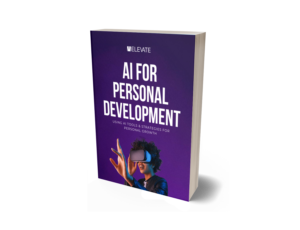
Dive deeper into AI with our ebooks and in-depth courses. Whether you’re just starting or looking to sharpen your skills, we’ve created the perfect resources to help you succeed.




SHOP
-
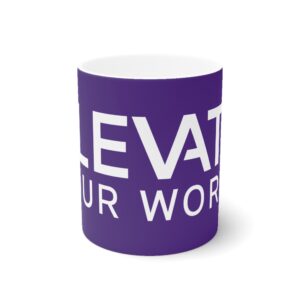 ELEVATE Your World Mug
£10.00
ELEVATE Your World Mug
£10.00
-
 ELEVATE Purple Mug
£10.00
ELEVATE Purple Mug
£10.00
-
 ELEVATE Bag - Black
£30.00
ELEVATE Bag - Black
£30.00